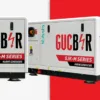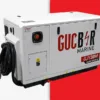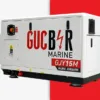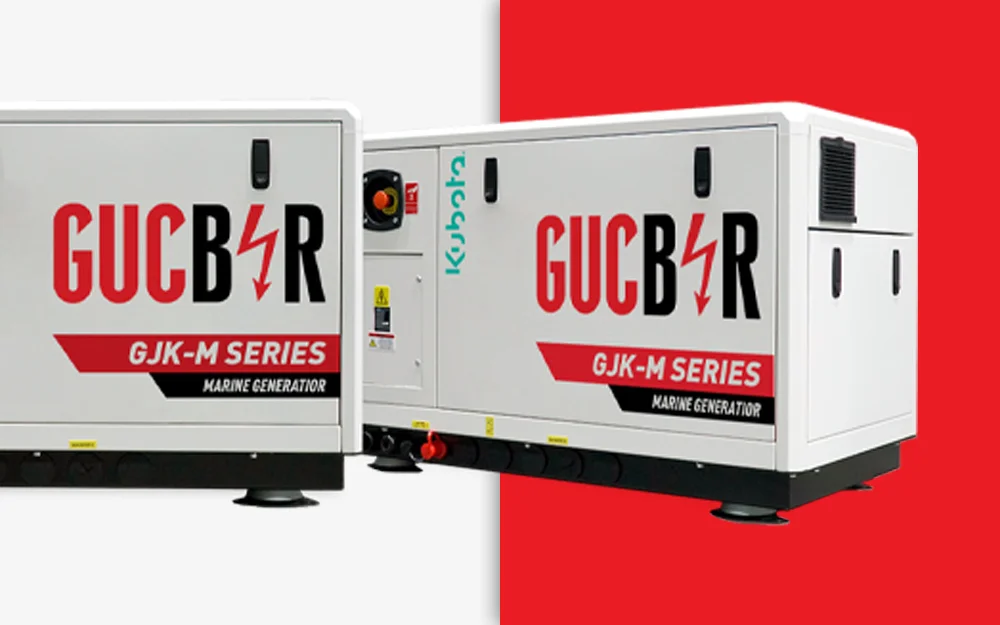
When sailing at sea or moored in port, many systems such as lighting, communication, navigation, air conditioning, etc. need to operate uninterruptedly. For this purpose, "marine generators" on board play a critical role. Here is what marine generators are, their types, advantages, disadvantages and things to consider when choosing them.
What is a Marine Generator?
A marine generator is an electricity generation unit used on a ship or marine vessel, designed for marine conditions. The difference from land-based generators is that it is manufactured to withstand harsh environmental conditions such as salt air and water, humidity, vibration, vibration, impact, continuous movement.
Duties include;
- Supplying living spaces on board with electricity (lights, sockets, refrigerators, etc.).
- Supporting safety critical infrastructure such as navigation and communication systems.
- To provide backup power in emergencies.
Characteristics and Design Needs of Marine Generators
Marine generators must meet certain technical and environmental requirements to be successful:
- Cooling System: Marine generators are usually liquid cooled, raw water or heat exchanger cooled. There are also keel cooled ("keel cooled") and direct seawater cooled systems.
- Frequency and Voltage Stability: The generator's output frequency (e.g., 50 Hz or 60 Hz) and voltage must be stable for proper operation of electronic devices and navigation systems. Fluctuations in frequency and voltage can damage systems.
- Single Phase and Three Phase Options: On small boats, single-phase generators are usually sufficient; on large vessels, three-phase systems are preferred for powerful engines or industrial machinery.
- Vibration and Noise Control: Noise and vibration are important for comfort and crew safety. Sound insulation, vibration damping assemblies, special outer coatings are used in this area.
- Durability and Corrosion Resistance: Salty sea air, moisture, etc. can quickly corrode metal parts. Stainless steel or appropriately coated parts, good protection and regular maintenance reduce this problem.
- Maintenance and Safety Features: Regular inspection of fuel system components such as fuel filter / water separator, automatic shutdown in case of low oil pressure or high temperature, easily accessible service points and control panels.
Marine generators are the unsung heroes that keep ships alive. If selected, installed and maintained correctly, they offer a reliable, long-lasting and comfortable sea voyage. However, an investment made without taking into account factors such as environmental conditions, operational needs and cost balance can create problems in the long run.